
THE IMA HOGG BACK STORY
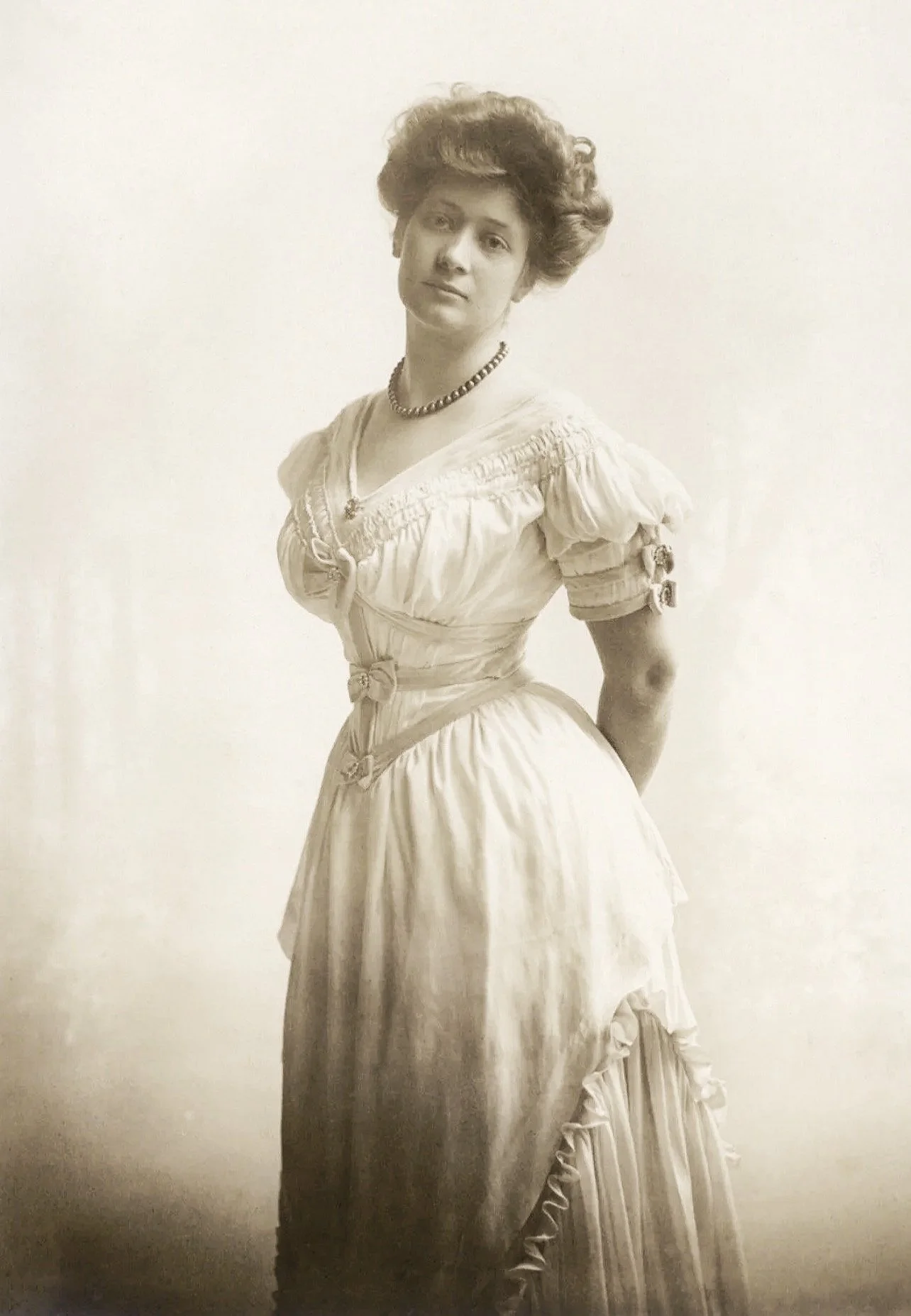
Ima Hogg went west because something was being stifled... hidden from view.
She had heard it first as rumor, then as pattern—reports of illness among miners near Terlingua, men younger than they should have been already worn down, headaches that never lifted, breath shortened by work no one wished to examine too closely. Mercury dust was discussed quietly, if at all. Water quality even less. She was advised not to pursue it. The holdings in the region were politically delicate, the mines profitable, the language around them carefully managed. She was reminded—gently, repeatedly—that concern could be mistaken for interference, that investigation could be construed as accusation, that some systems functioned only if left undisturbed.
She understood the warning.
She went anyway.
The journey west was long and exposed, arranged in company with those accustomed to the terrain and its risks. Roads thinned into tracks, tracks into open ground. By the time they reached Terlingua, the heat had become relentless—not merely hot but consuming, pressing down without relief, flattening breath, draining energy before effort could begin. The mines radiated heat back into the air. Shade was scarce. Water warmer than expected. Bodies labored not only against work but against the environment itself. Watching men pause mid-task simply to steady themselves, she felt the full weight of what interruption did—to circulation, to health, to life lived under constraint.
The land did not forgive.
It was nearby, in the wake of those observations, that she heard of the Springs. Warm water rising from the ground, shaded by cottonwood and scrub, a place where the heat loosened its grip just enough for the body to remember another rhythm. Not a resort. Not improved. Simply there. They reached Chinati after a day’s detour, guided by someone who knew where the ground broke and water surfaced. The contrast was immediate. Trees gathered near the pools, offering shade that softened the sun’s force, occasional breezes moving through the leaves and carrying heat away in slow waves. She did not enter the water at once. She sat beneath the trees, letting the shade do its work, watching steam lift where warm water met cooler air, listening as voices lowered naturally, as though the place demanded less effort. When she entered the pool, it was gradually. The warmth spread without insistence. Muscles that had tightened defensively in Terlingua began to yield. Breath deepened. The body responded not because it was forced to, but because it was allowed to. She returned the next day. And the next.
She spoke with others there—miners, travelers, a physician passing through—each drawn by some version of the same need. They talked quietly about what work took from them, about water diverted, dust inhaled, ailments endured because speaking too openly carried consequences. The same pattern repeated: pressure applied, circulation restricted, systems failing slowly. It became clear to her that what was happening was not accidental. Silence, she understood, was also a form of blockage.
On one of her final afternoons, she brought with her a small green glass bottle with a black stopper, something she used habitually for collecting samples. She intended to take a measure of the spring—nothing formal, just enough to compare later with water drawn downstream nearer the mines. She lowered the bottle into the pool, let it fill, capped it, and set it beside her on the stone. A conversation drew her attention. Someone spoke sharply, warning that questions had a way of traveling faster than water, that not everyone welcomed scrutiny. She stepped back into the shade to listen. When she returned, the bottle was gone. It had slipped from the stone into the darker portion of the pool where the water deepened. She reached once, then stopped. The footing was unstable. Retrieving it would require effort—and explanation. She let it go.
Taking water from its source, she realized, did not always preserve what mattered. Circulation depends on movement, but also on return. Some truths cannot be carried out without consequence. She left Chinati soon after. The springs remained, shaded and breathing, continuing their quiet work. What she carried with her instead was understanding: that systems fail when pressures are not revealed… that health—personal or civic—depends on allowing flow, that restoration begins where interruption ends.